

Add Flavor and Health Benefits to Your Dish with Herbs and Spices
Written by Nicole Nyerick RD, LDN
Edited by Sarah Criscuolo MS, RD, LDN, CSN, CPT
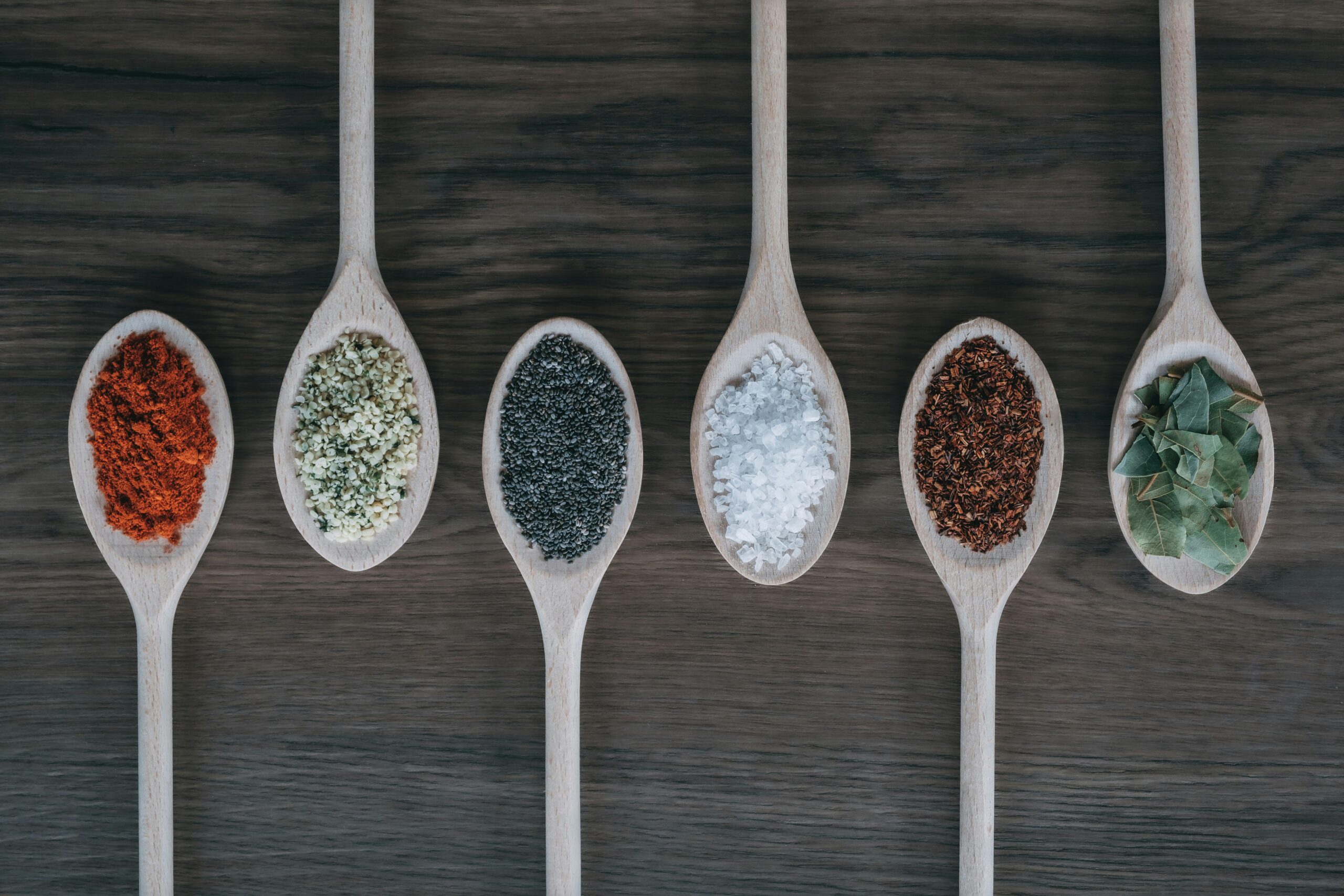
Spices and herbs have been treasured for centuries not only for their ability to enhance the flavor of our dishes, but also for their potential health benefits. These aromatic additions to our meals are not just about tantalizing our taste buds; they are powerhouses of nutrients and bioactive compounds that can positively impact our well-being. Let’s explore some commonly used spices and herbs and discover how they can contribute to our health!
space
Ginger
Ginger, with its warm and spicy flavor, is a versatile ingredient used in various cuisines worldwide. Apart from its culinary uses, ginger has been studied extensively for its medicinal properties. Research suggests that dietary consumption of ginger may aid in alleviating nausea, managing blood sugar levels, reducing blood pressure, and even promoting weight management. Incorporating ginger into your diet can be as simple as adding it to soups, curries, baked goods, or enjoying it in tea blends.
space
Cinnamon
One of our favorites, cinnamon adds a comforting warmth to both sweet and savory dishes alike. Beyond its delicious flavor, cinnamon contains compounds like cinnamaldehyde, coumarin, and cinnamic acid, which possess antioxidant and anti-inflammatory properties. Regular consumption of cinnamon has been associated with improvements in metabolic health, including reduced blood sugar, lipid levels, and blood pressure. Opting for Ceylon cinnamon can provide even higher levels of antioxidants per serving.
space
Turmeric
Turmeric, renowned for its vibrant yellow color and earthy flavor, is celebrated for its active compound curcumin. This compound exhibits potent anti-inflammatory and antioxidant effects, making turmeric a staple in traditional medicine practices. Studies suggest that turmeric consumption may help alleviate conditions such as osteoarthritis, ulcerative colitis, and type 2 diabetes. To enhance the absorption of curcumin, it’s advisable to pair turmeric with black pepper in recipes.
space
Oregano
Oregano, a member of the mint family, is rich in compounds like carvacrol and thymol, which possess antibacterial properties that may support immune function. Emerging research hints at oregano’s role in combating bacteria, promoting respiratory health, and reducing inflammation. Adding dried oregano to savory dishes or infusing it into oils for dressings and marinades is a simple way to incorporate this herb into your diet.
space
Garlic
Garlic is revered both for its distinct flavor and its numerous health benefits. Packed with allicin, a potent compound with anti-inflammatory properties, garlic has been linked to improved heart health by lowering LDL cholesterol and enhancing lipid levels. Integrating garlic into your meals can be as easy as adding roasted garlic to pasta dishes or using raw garlic in salad dressings, sauces, and spreads. However, it’s important to note that garlic can be highly fermentable, potentially causing digestive discomfort in sensitive individuals.
space
Incorporating a variety of herbs and spices into your cooking can not only elevate the taste of your meals, but also boost your intake of beneficial plant compounds. Whether you’re sprinkling cinnamon on your morning oatmeal, adding turmeric to a curry, or infusing olive oil with oregano, these flavorful additions can contribute to your overall well-being.
While herbs and spices are generally safe for consumption, it’s essential to be mindful of individual sensitivities and dietary considerations. If you have specific health concerns or dietary restrictions, consulting with a registered dietitian can help you make informed choices about incorporating herbs and spices into your diet safely. Use the button below to schedule an intake with a Karuna dietitian today!
So, why not spice up your meals and embark on a flavorful journey towards better health? Experiment with different herbs and spices, and discover the diverse array of flavors and benefits they have to offer. Your taste buds—and your body—will thank you for it!
space
Sources
1. Crichton M, Davidson AR, Innerarity C, et al. Orally consumed ginger and human health: an umbrella review. Am J Clin Nutr. 2022;115(6):1511-1527. doi: 10.1093/ajcn/nqac035
2.Yang M, Akbar U, Mohan C. Curcumin in autoimmune and rheumatic diseases. Nutrients. 2019;11(5):1004. doi: 10.3390/nu11051004
3. Shirvani H, Bazgir B, Shamsoddini A, et al. Oregano (Origanum vulgare) consumption reduces oxidative stress and markers of muscle damage after combat readiness tests in soldiers. Nutrients. 2022;15(1):137. doi: 10.3390/nu15010137
4.https://www.health.com/garlic-8356294
Ready to learn more?
Schedule your free Intake call today!

Karuna Wellness Studio
Interested to learn more about how one of our dietitians might support your health goals? Use this link to schedule an free Intake call to get your questions answered today!
NUTRITION • CULINARY • MOVEMENT
Want to start your morning out fresh?

We all want to feel good when we wake up. If you feel groggy or irritated first thing in the morning, sign up for our email list.
We’ll send you a free resource on refreshing your morning routine with crucial, life-changing tips. Just enter your email and check your inbox.